Lightweight e-MTBs vs Full-Power e-MTBs
Lightweight (light-assist) e-MTBs feel closer to a regular mountain bike. Full-power e-MTBs deliver maximum torque and range. Here’s how to choose.
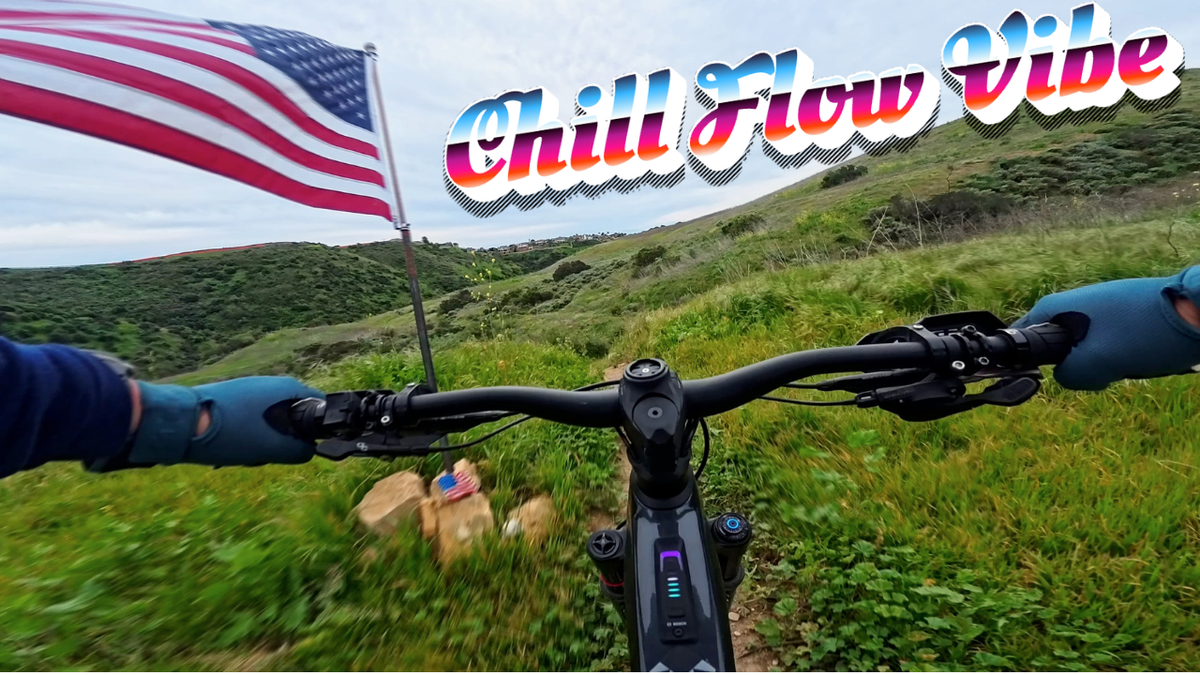
Two years ago, “e-MTB” meant one thing: big motor, big battery, big day. Now it means you’ve got a decision to make. Spend a few minutes at any busy trailhead and you’ll see why. One rider is rolling in on a full-power bike built to stack laps like it’s a bike park day. Another shows up on a lightweight e-MTB that looks and rides a lot closer to an analog trail bike, just with enough assist to make climbing feel less like penance.
Here’s the clean way to think about it: a lightweight (or light-assist, SL) e-MTB uses a smaller motor and battery to preserve a more natural mountain bike feel, while a full-power e-MTB prioritizes maximum assistance and range. Neither is “better.” They’re built for different kinds of rides and different kinds of riders.
If you’re shopping, the goal isn’t to pick the most powerful bike. It’s to pick the bike that matches the ride you actually want to have.
What is a light-assist (lightweight, SL) e-MTB?
A light-assist e-MTB, sometimes labeled SL, is the bike industry’s answer to a simple request: “I want my mountain bike to feel like my mountain bike.” The motor is there, but it’s not trying to dominate the experience. These bikes typically run smaller drive units and smaller batteries, which keeps overall weight down and keeps handling quick.
That weight difference shows up everywhere. The bike is easier to flick through switchbacks. It’s less of a wrestling match in tight, awkward moves. And when you point it downhill, it tends to feel calmer and more familiar, because you’re not managing as much mass.
The catch is that you still have to ride. Light-assist systems reward cadence and smooth power. If you want to soft-pedal your way up anything, you can, but they’re generally at their best when you’re actually putting in an effort and letting the motor fill in the gaps.
What is a full-power e-MTB?
Full-power e-MTBs are built for maximum assistance, maximum range, and maximum repeatability. They’re the bikes you choose when the plan is “more descents, fewer excuses.” Bigger motors and bigger batteries mean steep climbs become manageable, long rides become less intimidating, and “one lap” becomes “three laps” more often than not.
They also tend to feel planted and confident at speed. Some of that is geometry and suspension, but a lot of it is simple physics: more weight means more stability when the trail gets rough.
The tradeoff is that you’re now riding something with serious momentum. On slower trails or tighter lines, that extra mass can feel like a tax, especially if you love quick changes of direction and playful trail features.
Lightweight vs full-power: what you gain, what you give up
This is where the decision gets real, because it isn’t about a spec sheet. It’s about the feeling you want.
If you want more laps, full-power makes sense
If you measure a good day by vertical feet and descents, full-power is hard to beat. It’s also the better tool if:
- Your local trails are steep enough to make “fun” a limited resource
- You ride with faster friends and want the group to stay together on climbs
- You want to ride longer without turning the second half of your ride into survival mode
Full-power e-MTBs can also be a confidence boost on technical climbs, because the motor lets you keep momentum where you’d otherwise stall out.
If you want “real bike” handling, light-assist is the move
Lightweight e-MTBs are for riders who care about handling as much as fitness. They’re a better fit if:
- You love nimble bikes and quick line changes
- Your rides include a lot of rolling terrain where big power isn’t the point
- You want help on the climb, but you still want to feel like you earned the ride
A good light-assist bike doesn’t feel like it’s towing you uphill. It feels like you’re having a surprisingly good day.
How weight changes handling
Weight isn’t just a number on a scale. It changes how the bike behaves.
Full-power bikes can feel unbelievably calm when you’re charging through chunk. The downside is that they can feel less eager when you want to pop off a lip, manual through a dip, or snap through a switchback.
Light-assist bikes, by contrast, tend to feel more playful and more responsive. They also feel less “busy” when you’re descending without much assist, because you’re not pushing around as much mass.
The simplest question to ask yourself is: do you want your e-MTB to plow or play?
Battery and range: stop asking “how far,” start asking “what kind of ride”
Battery size shapes personality as much as it shapes distance.
A bigger battery often means a heavier bike, which can mean more stability, but also less agility. A smaller battery can make a bike feel closer to a standard trail bike, but it asks you to be smarter with assist modes, cadence, and pacing.
Range extenders can help, but they’re not a magic trick. They add weight and complexity. For some riders, that’s worth it. For others, it’s the moment they realize they’ve built a bike that’s drifting toward full-power anyway.
So instead of obsessing over range claims, think about your typical ride:
- How long is it, really?
- How much climbing do you do?
- Are you trying to set a pace, or keep the ride fun?
Trail etiquette and why the category split is also cultural
Light-assist e-MTBs blend in. Visually and dynamically, they’re closer to analog bikes, and that can reduce friction on shared trails.
Full-power bikes are more obvious, and the uphill speed difference can create tension fast if riders treat climbs like passing lanes. The fix is basic and it works: announce early, pass with space, and don’t act like the motor gives you ownership of the trail.
How to choose the right e-MTB for your riding
If you’re stuck, use this filter:
Choose a full-power electric mountain bike if you want:
- More laps and more vertical in the same time
- Maximum assist on steep climbs
- A planted, stable feel at speed
Choose a lightweight (light-assist, SL) e-MTB if you want:
- Handling that feels closer to a regular mountain bike
- A quieter, more natural ride experience
- Enough help to climb better without changing who you are as a rider
And if you can demo, do it on a climb you know well. Pay attention to how the power shows up at your normal cadence, then point it downhill and see what matters most: cornering, balance, suspension feel, and whether the bike encourages your riding style.
FAQ: lightweight vs full-power e-MTBs
Are lightweight e-MTBs worth it?
Yes, if you value handling and want assist that feels subtle. They’re especially good for riders who still want to work and still want a bike that feels playful.
Do full-power e-MTBs climb better?
Generally, yes. More assistance makes steep climbs and loose pitches easier, especially when you need momentum.
What does “SL e-MTB” mean?
Usually “super light” or “lightweight,” depending on the brand. In practice it means a light-assist system with a smaller motor and battery.
Which is better for tight, technical trails?
Light-assist bikes often feel more natural in tight corners and quick direction changes. Full-power bikes can feel more stable, but also more demanding to throw around.
The takeaway
The e-MTB world is splitting because riders are finally being honest about what they want. Some want the most laps possible. Others want the most bike feel possible. The good news is you don’t have to compromise as much anymore.
Pick volume or pick feel. Once you choose that, the right kind of e-MTB becomes obvious.