Can You Really Buy a Bike With FSA or HSA Money?

People ask this in plain terms: can you use HSA or FSA money to buy a bike or cycling gear? Sometimes, but only when it counts as medical care and you can prove it. If the purchase is mainly for general fitness, recreation, or “being healthier,” it’s usually not eligible.
That’s the line. And it’s why this topic creates so much confusion.
If you want to use FSA or HSA funds for a bike, trainer, or accessories, you need to understand how eligibility works, what documentation matters, and what gets denied fast.
First, quick context: FSA vs HSA

Both accounts use pre-tax dollars. That’s the appeal. If an expense is eligible, you’re effectively buying it at a discount compared to paying with after-tax income.
Where they differ is how they behave over time. FSAs often come with use-it-or-lose-it rules, depending on your plan. HSAs are more flexible and can be saved long-term. You can treat an HSA like a future medical fund, which means even if something is HSA-eligible, you might still choose to pay cash and keep the HSA balance for bigger health expenses later.
None of that changes the big question, though: is the bike or gear actually eligible?
The rule the IRS actually follows
FSA and HSA reimbursements are for qualified medical expenses, not general wellness. The concept is “medical care,” meaning costs tied to diagnosis, treatment, mitigation, or prevention of disease, or affecting the structure or function of the body.
That’s why most “healthy lifestyle” purchases do not qualify. Even gym memberships usually get rejected unless they’re specifically prescribed to treat a diagnosed condition and used for that treatment. Bikes fall into the same category. “Mountain biking is cardio” is true, but it’s not the standard.
So the eligibility question isn’t “is cycling healthy?” It’s “is this cycling purchase part of medical care?”
When a bike can move from “toy” to “medical expense”
A bike or cycling setup is most defensible when it’s tied to a diagnosed condition and a treatment plan, or when it’s adaptive equipment that supports function and mobility.
The cleanest lane is rehab. If a provider prescribes cycling as part of physical therapy or recovery from injury or surgery, the argument starts to look less like a hobby purchase and more like medically necessary exercise equipment.
Another lane is adaptive cycling. Trikes, handcycles, or modifications that allow someone with a disability to ride can be easier to justify because the equipment is directly enabling mobility and function.
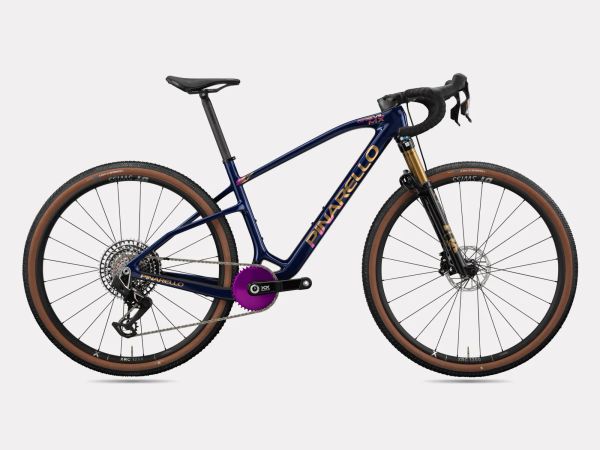
Standard bikes can be harder. A high-end trail bike looks like recreation even if the intent is treatment. A trainer setup, stationary bike, or adaptive equipment tends to be easier to document because it resembles “exercise equipment used for medical care” more than a weekend toy.
Your plan administrator is the bouncer
Even if you think something meets IRS guidelines, your plan administrator still has to accept it. Some will reimburse with documentation. Some will deny anything that smells like general fitness.
If you’re trying to make a cycling purchase eligible, the practical move is a Letter of Medical Necessity. Not a casual note. A real LMN from a licensed provider that explains the diagnosis and why this equipment is required as part of treatment. The more specific it is, the better. It should connect the dots between condition, prescribed activity, and why that specific equipment is needed.
Also, keep receipts and item descriptions. “Sporting goods store” with a total amount is how claims get stuck. Clean documentation makes it boring for the reviewer. Boring wins.
What about accessories?
This is where people get optimistic and then get denied.
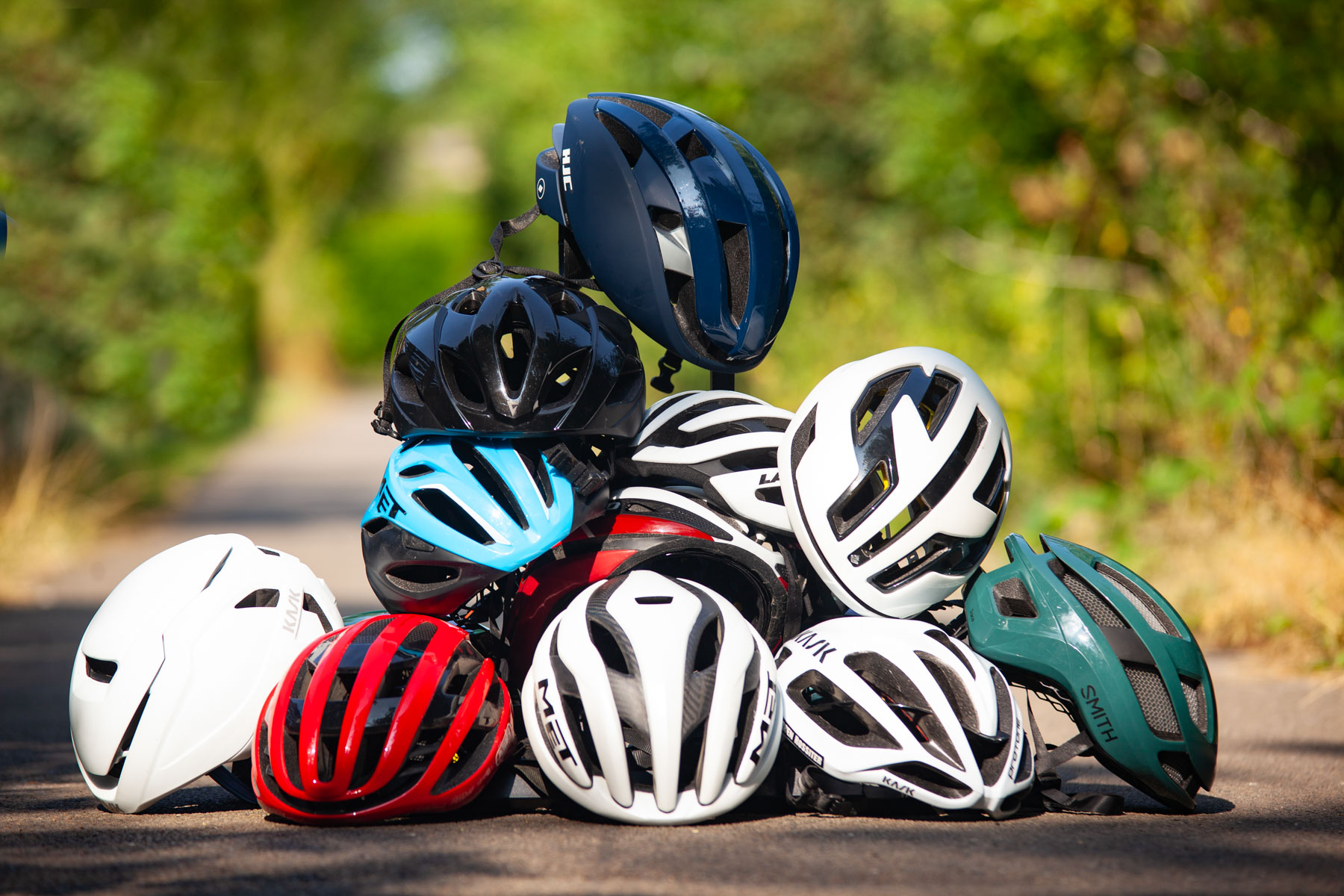
Most cycling accessories are lifestyle purchases. Helmets, shoes, computers, upgrades, jerseys, tools, travel, races. Even if they support a healthy activity, they usually don’t read like medical care.
Could an accessory be included if it’s required for the medically necessary setup described in your Letter of Medical Necessity? Potentially. But if you can’t tie it directly to treatment in a way a stranger would accept without argument, assume it’s not eligible.
If it looks like performance gear, it usually gets treated like performance gear.
Why it can be smart, if you do it the right way
When the expense is truly eligible, using pre-tax dollars can meaningfully lower the real cost. That matters most with big-ticket items like adaptive equipment, rehab-related setups, or trainer-based plans that you will actually use.
There’s also a compliance angle. Rehab plans fail because people do not stick with them. If cycling is part of treatment and the right setup makes someone consistently do the work, that’s the point of using health funds in the first place.
FSAs add another practical motivator. If you have FSA money you’ll lose, spending it on a legitimate, documented medical need beats end-of-year panic spending on random eligible items you do not care about.
Just don’t confuse “good idea” with “loophole.”
The part where people get themselves in trouble
Most problems start the same way: someone buys the bike first, then tries to backfill a medical reason later. That’s not how reimbursement reviews work. If you don’t have a diagnosis and a treatment plan driving the purchase, you’re asking a claims reviewer to buy your narrative.
Another common mistake is thinking a successful checkout proves eligibility. Some retailers and payment systems will accept HSA/FSA cards for plenty of things that won’t survive reimbursement review. The swipe is not the decision. The decision is what holds up when someone asks for documentation.
The slowest kind of headache is bundling. Toss a few questionable accessories onto the same claim and you can get the whole thing kicked back. Now you’re stuck sending follow-up emails and resubmitting paperwork because your “medical expense” reads like a Saturday ride receipt.
If you’re going to attempt this, keep the claim tight. Keep it consistent with the Letter of Medical Necessity. Make it easy to approve.
A Better Filter Than “It’s for My Health”
If you want a real filter, stop arguing with yourself about whether biking is healthy and start thinking like someone whose job is to deny claims.
Would you still buy this exact setup if you knew it could not be reimbursed?
Does the purchase exist because of a diagnosed condition and a provider-backed treatment plan, or does it exist because you wanted it and medical language makes it feel safer?
If it’s the second one, pay out of pocket and ride your bike. If it’s the first, get the Letter of Medical Necessity, keep the receipts clean, and submit a claim that looks like medical care on paper.
That’s the line. Not “it’s good for me,” but “it’s medically necessary and documentable.”
FAQ: HSA/FSA and Bikes, Trainers, and Cycling Gear
Can I use my HSA to buy a bike?
Sometimes. It generally needs to be tied to a diagnosed condition and medical treatment, usually supported by a Letter of Medical Necessity. A bike purchased for general fitness is typically not eligible.
Can I use my FSA to buy a bike?
Same idea. Some plans may reimburse exercise equipment with a Letter of Medical Necessity, but a recreational bike is often a tough claim unless it’s clearly part of treatment or adaptive needs.
Is a bike trainer or stationary bike HSA-eligible?
It can be more defensible than an outdoor bike because it looks like exercise equipment. Eligibility still hinges on medical necessity and documentation, not convenience.
What is a Letter of Medical Necessity and do I need one?
An LMN is a note from a licensed provider stating you have a diagnosed condition and explaining why the item is required as part of treatment. Many administrators require it for exercise equipment-related claims.
Are cycling accessories HSA or FSA eligible?
Most are not. Accessories that look like hobby or performance gear are commonly denied unless they are directly required for the medically necessary setup described in your documentation.
What happens if I use HSA/FSA funds and it’s not eligible?
You can be required to repay the amount, and HSA misuse can have tax consequences. Treat eligibility as something you prove on paper, not something you argue after the fact.
Should I use HSA money if I can?
Depends on your strategy. Some people prefer to save HSAs for future medical expenses. If it’s legitimately eligible, you still may choose to pay cash and preserve the HSA balance.
Not tax advice. For larger purchases, check your specific plan rules and consider talking to a qualified tax professional before you submit a claim.